
The Carnivore Diet: What the Science Actually Shows
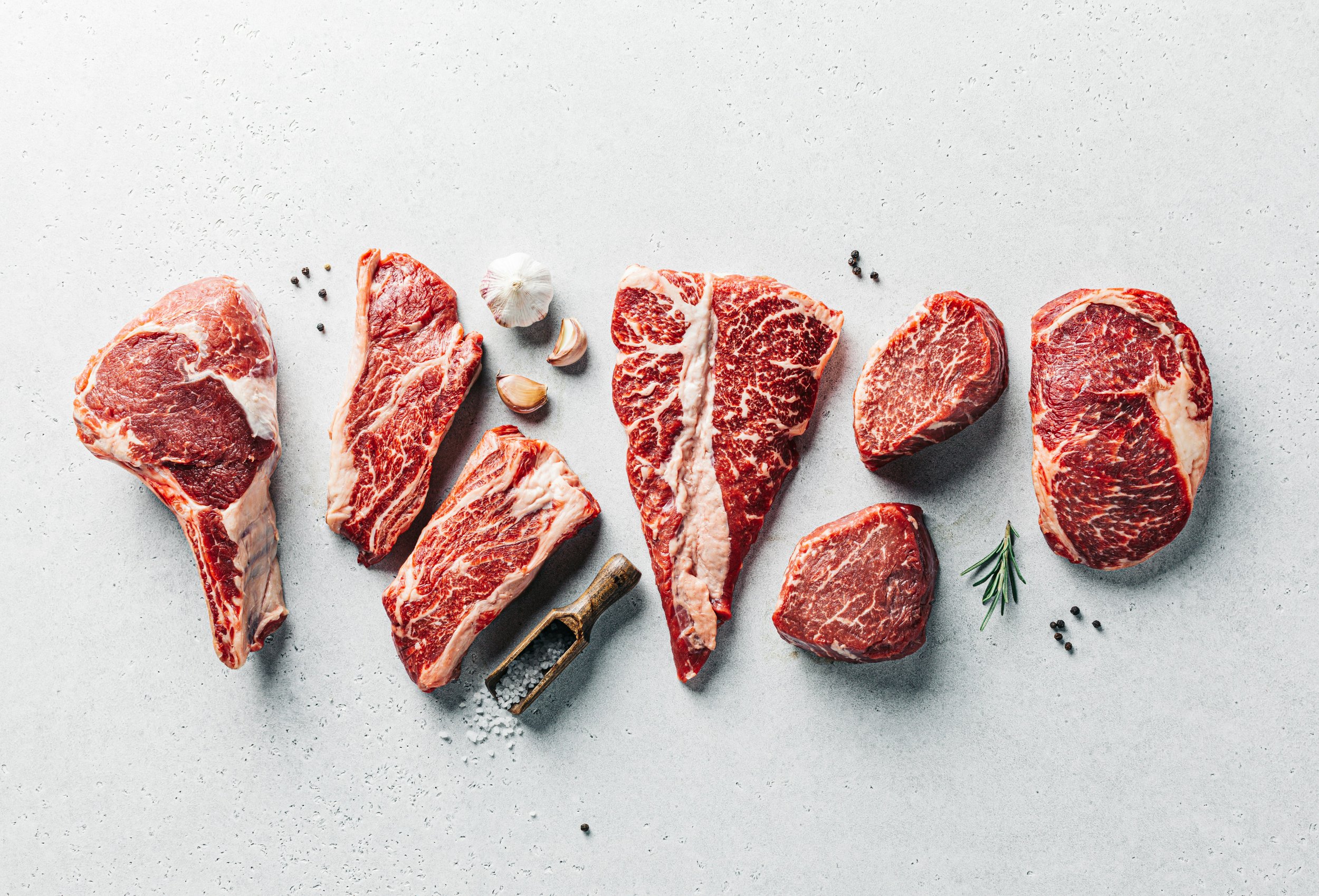
The Carnivore Diet (eating only animal-based foods and eliminating all plants) has been cycling through wellness spaces and diet culture for years, and it's making noise again (shocking, I know).
Proponents make strong claims about simplifying digestion, resolving food intolerances, reducing cravings, and improving overall health, with a primary focus on…wait for it…weight loss (another extreme diet for weight-loss purposes…again, shocking).
Science tells a different story. Here's what we actually know about the carnivore diet: why some people initially feel better on it, and what the risks look like.
What Is the Carnivore Diet?
The carnivore diet consists of eating only animal-based foods - primarily meat and fish, with eggs and sometimes a small amount of dairy permitted. All plant foods are eliminated: no fruits, vegetables, grains, legumes, nuts, or seeds. (You know I have thoughts about this.)
The idea is that, through extreme carbohydrate restriction, the body enters a state similar to ketosis, burning fat for energy rather than glucose. Some proponents also claim it reflects "how our ancestors ate." Spoiler alert: multiple research studies indicate that our ancestors were omnivores and more similar to herbivores than carnivores (1, 2, 3). It seems folks may have been cherry-picking certain data points to suit their narrative (once again, shocking).
Why Some People Feel Better on the Carnivore Diet
Reports of dramatic improvements are common on social media. Some people genuinely do feel better initially, and staying curious about what might be contributing to that is worthwhile.
In staying curious, I’ve noticed a few patterns emerge across extreme diets, not just carnivore, but Whole30, cleanses, and other elimination approaches:
The placebo effect of starting something new. The brain anticipates change, which can influence how you feel, particularly in the short term.
A psychological boost from a sense of control and empowerment, which is real and meaningful.
(Temporary) removal of a specific food triggering symptoms, though that's very different from needing to eliminate all plants.
More consistent eating patterns, which can improve blood sugar regulation and have a range of positive physical and mental effects.
Temporary reduction in certain hard-to-digest carbohydrates or high-fiber foods, offering short-term relief for some people with GI issues.
It's also worth noting that not everything shared online is the full picture. Some people who report feeling "amazing" on the carnivore diet are not disclosing other variables: intense training programs, supplements, or, in some cases, other substances entirely. Staying curious about what isn't being shared is always a reasonable instinct.
The Risks of the Carnivore Diet
Important note: No randomized controlled trials have been conducted on strict carnivore diets (zero plant foods). The research below is based on substantial evidence for high-protein, low-carbohydrate diets, which typically still include some plant foods.
Cardiovascular Health
Animal-based, low-carbohydrate diets are associated with higher all-cause mortality, cardiovascular mortality, and cancer mortality compared to plant-based, low-carbohydrate approaches. A high intake of red and processed meats (especially without fiber and plant diversity) is associated with increased risk of cardiovascular disease, type 2 diabetes, ischemic heart disease, and stroke. Not everyone responds identically, but this pattern cannot be assumed to be neutral.
Gut Health and Fiber Depletion
The carnivore diet provides little to no fiber, a primary fuel source for beneficial gut bacteria. Over time, this can lead to reduced microbial diversity, changes in digestion (constipation for some, irregularity for others), and decreased production of short-chain fatty acids, compounds that support gut health and regulate inflammation.
Nutrient Gaps
Eliminating all plant foods creates gaps in nutrients that play important roles in immune function, nervous system health, and overall resilience, including vitamin C, magnesium, potassium, folate, and polyphenols, powerful plant compounds that support the gut-brain connection and reduce inflammation.
No Long-Term Safety Data
Despite strong claims online, there is no solid long-term research demonstrating that the carnivore diet is safe or beneficial over time. Most of what circulates is anecdotal or based on short-term observations. The absence of evidence is not a reason to assume safety.
A Quick PSA On What Extreme Dietary Restriction Does Over Time
Our bodies thrive on diversity, flexibility, and balance, not rigidity. When entire food groups are cut out, several things tend to happen over time:
Access to key nutrients (supporting everything from gut health to hormone balance) is lost.
The gut microbiome becomes less diverse, impacting digestion, immunity, and mood.
Hunger and fullness cues can become dysregulated.
Food choices become more rigid, increasing stress and anxiety around eating.
Cravings for restricted foods are not a sign of weakness; they're often a sign that the body needs the nutrients or energy it's been deprived of.
A More Sustainable Path Forward
If you've tried the carnivore diet and felt better, your experience is valid and worth exploring more carefully. Instead of assuming your body only functions well in extremes, consider some more useful questions:
What specific foods might have been triggering symptoms?
Was it certain carbohydrates, not all plants?
How can digestion be supported so that more foods feel tolerable again?
The goal isn't long-term restriction, it's expansion with support. Your body doesn't need perfection, rigid rules, or all-or-nothing eating. It needs consistency, nourishment, and flexibility.
You don't have to cut out entire food groups to feel better. This is where having support can make a big difference. You don’t have to piece it together on your own, and there may be underlying factors we can gently work through together.
There’s usually a more sustainable, supportive path forward - and you don’t have to find it alone.