
Debunking the Microplastics Panic: What the Research Shows
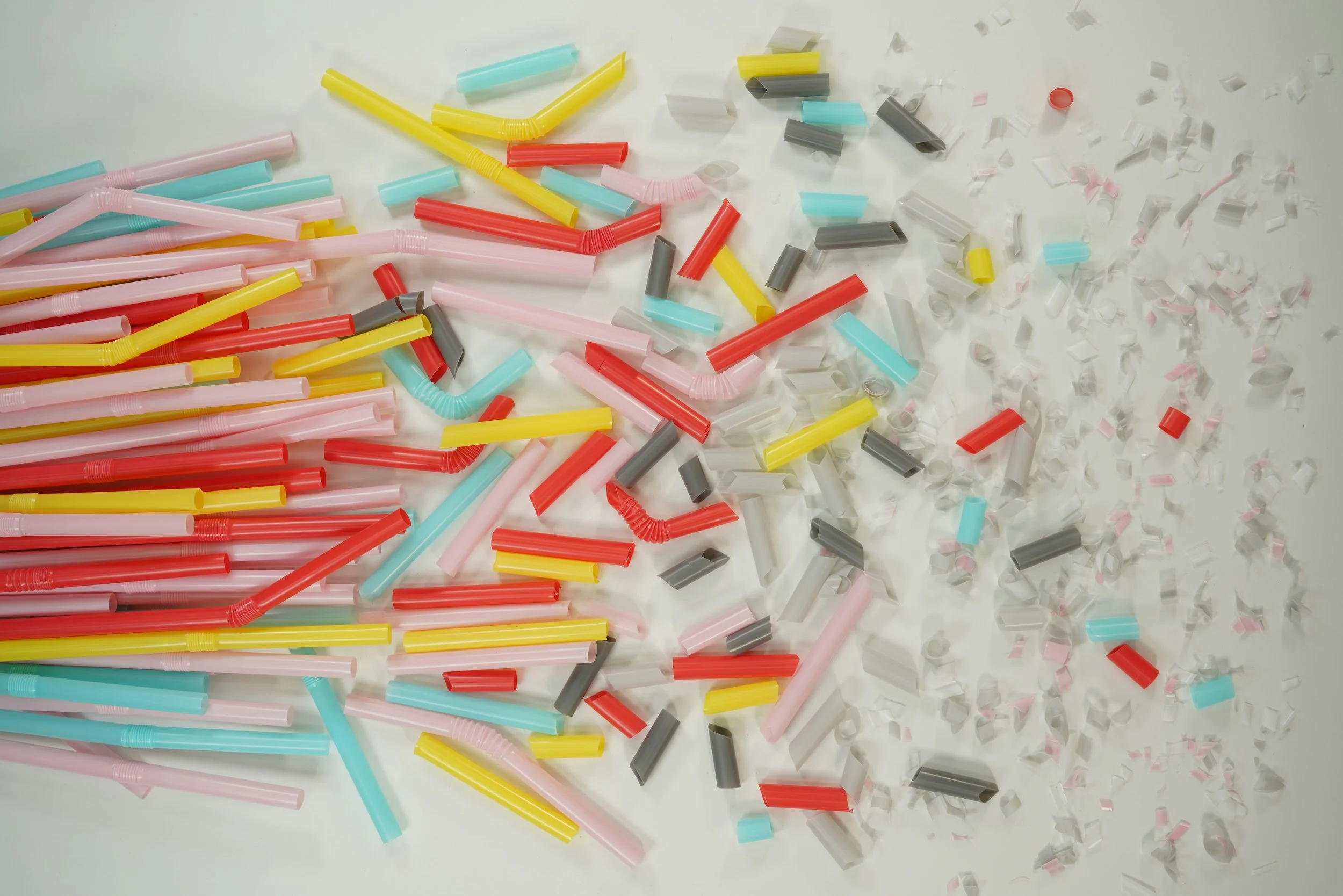
Microplastics have become one of the most alarming topics in nutrition and health headlines, with warnings that they're leaching into our food and water, showing up in human blood, and even contributing to heart attacks and strokes. Understanding the real microplastics health risks means separating what scientists have confirmed from what remains unproven, and (I’m sure this won’t come as a surprise!) the truth is far more nuanced than most headlines suggest.
What We Actually Know About Microplastics
Here’s a fact: Microplastics are real, and they are everywhere. They're tiny pieces of plastic found in food, drinking water, seafood, clothing, the air we breathe, and even in human blood, lungs, placentas, breast milk, and other tissues.
I don’t say that to instill fear - you know I don’t subscribe to using “fear” as a motivator or educational tool - I say that because it’s a very real and well-established fact. The real question scientists are still trying to answer isn't whether we're exposed to microplastics; it's whether that exposure is actually harming us. That's where things get much less clear, and frankly quite murky.
Why the 2025 Artery Study Doesn't Prove Causation
One of the most widely cited headlines came from a 2025 study published in the New England Journal of Medicine that found microplastics inside plaque removed from arteries during surgery. People whose plaque contained microplastics were more likely to experience a heart attack, stroke, or die during the following three years.
That sounds alarming, and it's worth paying attention to, but here's what the headlines left out:
It was an observational study. That means it can identify associations, but it can't prove that microplastics caused the cardiovascular events.
Important variables were missing. Factors like socioeconomic status, air pollution exposure, diet, and occupation weren't fully accounted for.
Even the study's authors urged caution. They pointed out that cardiovascular disease rates have been falling for decades while plastic exposure has presumably increased, a reminder that the bigger picture is more complicated.
There were measurement limitations. Even with careful procedures, laboratory contamination couldn't be completely ruled out.
It's an important study that raises good questions. It's just not the final answer.
Microplastics vs. BPA and Phthalates: Two Different Questions
Headlines claiming that “microplastics are linked to diabetes” or “microplastics cause infertility” often aren't actually studying plastic particles at all. Instead, they're conflating research on chemicals used in some plastics, particularly BPA and phthalates, with the particles themselves. Those are not the same thing.
Here's the difference:
Microplastic particles are the physical fragments of plastic.
BPA and phthalates are chemical additives used in plastic manufacturing that can leach out of plastic products.
These are two different exposures, and two different scientific questions. Whether plastic particles themselves cause harm, independent of any chemicals they carry, is a fundamentally different and much less understood question.
This distinction matters because BPA and phthalates have been studied for decades, and there is fairly strong evidence linking higher exposure to reproductive problems, metabolic disease, cardiovascular disease, and some developmental concerns. The evidence for microplastic particles themselves is considerably weaker, a distinction that gets lost far too often in coverage of microplastics health risks.
Why Most Microplastic Studies Don't Reflect Real-Life Exposure
Many headlines claim microplastics cause inflammation or cellular damage. Most of those studies, however, were conducted in rodents or in-vitro (petri dish) settings, not in people.
Just as important, the doses used in many of these studies are far higher than what humans encounter in everyday life. These studies are useful for generating new research questions, but they don’t tell us what happens under real-world exposure.
The Challenge of Measuring Microplastics in the Body
Interesting fact: Scientists don't yet have a standardized way to measure microplastics in human tissues. Different labs use different methods, and as a result, studies often report wildly different amounts of microplastics, not necessarily because people have different exposures, but because researchers are measuring them differently.
It gets trickier still. Some measuring methods can mistake normal biological material, particularly fatty tissue, for plastic. (Yes, read that again!) Fat is known to create false positives for microplastics, specifically for polyethylene, the most common type of plastic reported in these studies.
Fun fact: The brain is approximately 60% fat, which makes it one of the most challenging tissues to analyze accurately for microplastics. When a widely covered study reported a rise in microplastics in the brain, it made headlines across mainstream media. That doesn't mean the findings should be dismissed entirely, but it also doesn't support firm conclusions. That study has since been criticized for its measurement methods, lack of validation steps, and contamination controls.
Before we can confidently answer whether microplastics are harming human health, we first need to get better at measuring them.
Practical Ways to Reduce Your Microplastics Exposure
My intention here is not to tell you that you need to be scared or overhaul your life when it comes to microplastics. But if they’re on your mind and you want to try and minimize your contributions to microplastics in the environment, here are a few practical ways to consider without adding too much extra stress/work:
Reheat foods in glass or ceramic containers instead of plastic. Microwaving food in plastic containers can release millions of microplastic and nanoplastic particles.
Use non-plastic cookware when possible. Glass, stainless steel, cast iron, and wooden utensils are simple swaps.
If you drink tea, opt for paper tea bags, loose-leaf tea, or a stainless steel infuser. Plastic and nylon tea bags, when steeped in hot water, can release billions of micro- and nanoplastic particles into a single cup.
Choose tap water over bottled water, or filter it. Research has consistently found that bottled water contains more microplastics than tap water.
And remember, the goal isn't perfection. It's making a few reasonable swaps without adding unnecessary stress.
The Bottom Line on Microplastics and Your Health
Microplastics are real, they're everywhere, and they're worth continuing to study. But the current evidence doesn't support the level of panic reflected in most headlines. Because microplastics are so widespread, complete avoidance isn't realistic, and the goal shouldn't be elimination. It should be understanding what actually matters in context.
The concern isn't entirely unfounded, but it's often pointed at the wrong target. Plastic particles make for scary headlines, while the chemicals used in plastic production, BPA and phthalates, are where the strongest human evidence actually exists.
Science is still evolving, and I suspect we'll learn a lot more over the next decade. Until then, perhaps consider hitting "pause" on the panic button and remember that health is rarely determined by one single exposure. And perhaps keep approaching alarming headlines with a healthy dose of curiosity.
As always, nuance doesn't make for the best clickbait - but it usually makes for the best science.