
Mycotoxin Testing & Mold Illness: What Science Says
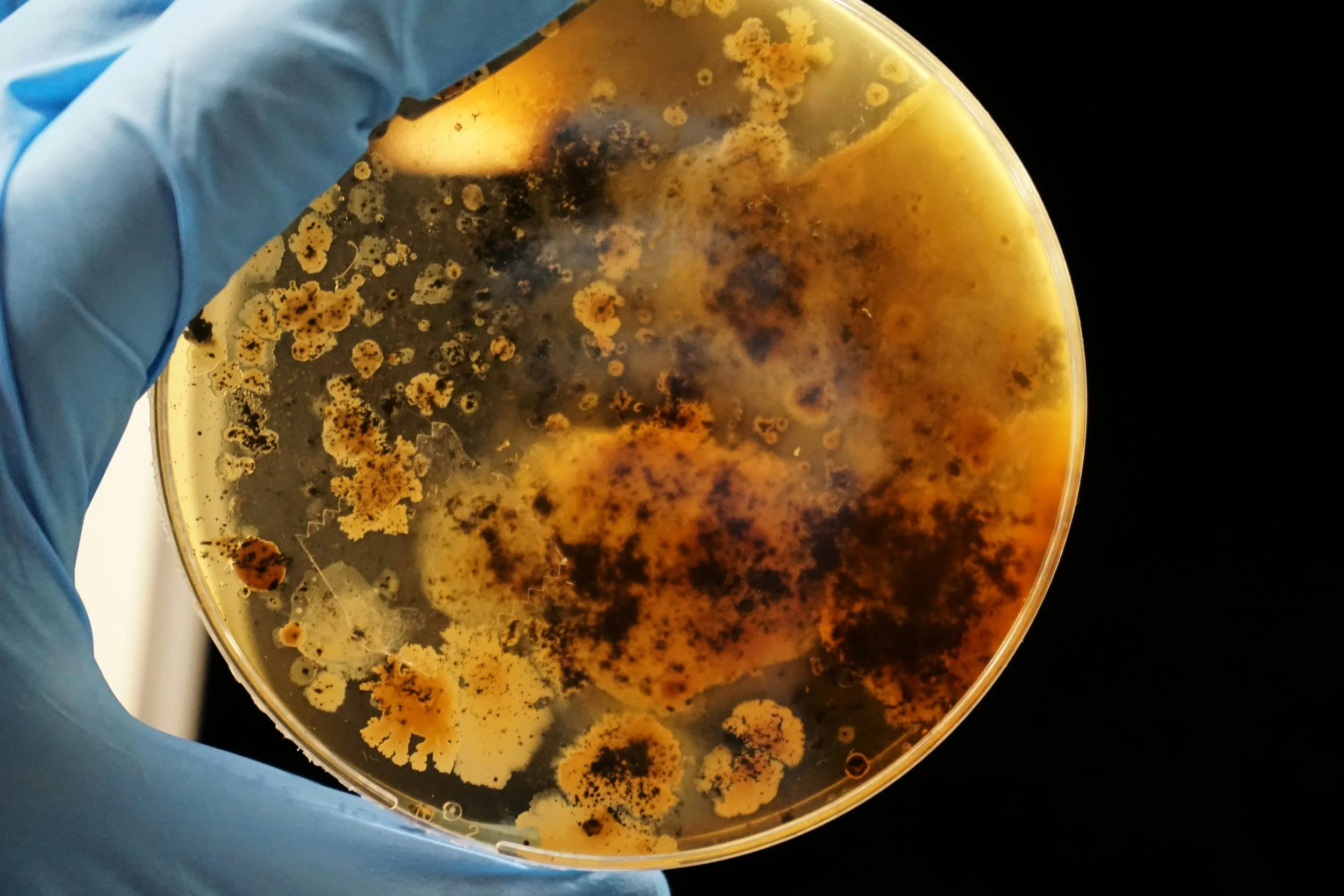
Mold and mycotoxin testing have become a hot topic in wellness and functional medicine circles, with claims that everyday symptoms like fatigue, brain fog, digestive issues, anxiety, and headaches stem from hidden mold or mycotoxins lurking in your home.
If you've considered a urine mycotoxin test or a mold detox protocol, you're not alone: these claims are compelling, and getting a lab result with your name on it feels validating, especially when you've been told "everything looks normal" before.
The problem is that much of what's promoted about mycotoxin testing isn't supported by credible science, and these tests don't measure what most people assume they do. That doesn't mean mold-related illness isn't real: living in a damp, moldy environment can have real health consequences. But understanding how mold actually affects health, and how it doesn't, matters if you want to spend your time, energy, and money on things that are actually helpful.
Key Takeaways
Full disclosure: this is a meaty topic! There’s a lot that goes into unraveling the claims around mold and mycotoxin testing - what mold actually is, how mold spores differ from mycotoxins, what urine mycotoxin tests can (and can’t) tell you, and what makes more sense instead.
Since this one is a little lengthier than my usual blogs, I wanted to give you the CliffsNotes version up front, if helpful:
Mold exposure can absolutely affect your health. Damp, moldy environments are linked to allergies, asthma, and respiratory irritation, especially in susceptible people.
Mycotoxins aren't the same as mold spores. They're chemicals some molds can produce under certain conditions, and most people get exposed through food, not the air in a moldy home.
Finding mycotoxins in your urine doesn't tell you where they came from. It doesn't establish that you were exposed through your home, that the exposure made you sick, or that you have "mold illness."
Urine mycotoxin tests aren't validated to diagnose mold-related illness. A positive result can be a real finding without being a meaningful diagnostic one.
If you're concerned about mold, focus on what you can actually evaluate: address moisture problems in the environment and work with a healthcare provider on the symptoms mold exposure is known to contribute to.
If that's all you need, I hope that was helpful! If you want a little more detail and science - and to see where the mycotoxin-testing logic falls apart - let's dig in.
What is mold?
Mold is a type of fungus that grows naturally outdoors in soil, on leaves, and on decaying wood, and indoors wherever there is moisture. Mold reproduces by releasing tiny spores into the air, which are invisible to the naked eye and present virtually everywhere. This means that some level of mold exposure is a normal part of daily life.
Problems start when mold finds a damp spot inside a home (a leaky pipe, a humid bathroom, a flooded basement) and grows and accumulates indoors at levels much higher than what's found outside. This kind of prolonged, elevated exposure to mold spores and fragments can lead to health symptoms in some people, particularly those with allergies, asthma, or weakened immune systems.
The best-established health effects of indoor mold exposure involve the respiratory system: allergies, asthma, and irritation of the eyes, nose, throat, and lungs, rather than the broad collection of symptoms often attributed to "mold illness" online.
One key diagnostic factor is that many of these symptoms typically improve or resolve once the person leaves the moldy environment. If symptoms persist long after leaving, a healthcare provider should explore other causes.
What are mycotoxins?
Mycotoxins are chemicals (not physical particles like spores or fragments) that certain types of mold can produce under specific conditions. The key word is "can": just because a mold species can make mycotoxins doesn't mean it always does. Whether a mold actually produces these chemicals depends heavily on its genetics, what it's growing on, temperature, moisture, and other environmental factors.
Plot twist: for most people, the primary source of mycotoxin exposure is food, not indoor air.
Mycotoxins are natural, unavoidable contaminants found in everyday foods like coffee, wine, dried fruits, corn, cereals, peanuts, and dairy products. Regulatory agencies worldwide monitor food supplies to keep these levels safe. Food safety isn't perfect, but imperfect isn't the same as absence, and the gaps tend to involve things like contaminated produce, not the trace mycotoxins in your coffee.
In other words, finding mycotoxins in your body isn't unusual; it's expected. For most people, there's no reason to avoid these foods, follow a special "low-mycotoxin" diet, or pursue an expensive detox protocol.
Mycotoxins vs. Mold Spores: Why the Distinction Matters
Here’s where online conversations get things a bit twisted: The health effects most clearly linked to damp, moldy environments are generally related to the mold itself, through allergic and irritant responses to mold spores and fragments, not mycotoxin poisoning.
Think of it like seasonal allergies: spores are more like pollen, while mycotoxins are chemicals that some molds can produce. Sneezing when pollen is in the air happens because the immune system reacts to the pollen itself, not because the pollen contains some hidden toxin.
The same basic distinction applies to mold: breathing in mold spores or fragments can trigger allergic or irritant responses, but that doesn't mean mycotoxins cause symptoms.
While mycotoxins can be associated with mold-containing particles and can make their way into the air, even in a visibly moldy home, what a person would breathe in is a tiny fraction of what the body already handles from food every day. Current evidence does not support the idea that typical indoor mold exposure results in the kind of systemic exposure that urine mycotoxin testing is marketed to detect.
The molds involved are ordinary ones: Alternaria, Aspergillus, Cladosporium, and Penicillium, the same species that live outdoors and in most homes. That includes Stachybotrys, known as "toxic black mold." Despite the name, it's actually less common indoors than the other four, and multiple scientific reviews have not found well-substantiated evidence that black mold causes serious illness at typical home exposure levels.
To be clear, none of this makes these molds harmless. Roughly half of children with persistent asthma are sensitized to indoor molds, and higher levels are linked to more asthma flare-ups. But those effects come from the spores and fragments themselves, not mycotoxins.
So if mycotoxins aren't the problem, why is everyone testing for them? My take: it's a compelling narrative. "Hidden toxins" are easy to fear, a urine test feels scientific, and a positive result gives a clear explanation for symptoms that might otherwise feel frustratingly vague. Add in social media stories, practitioner recommendations, and labs marketing directly to consumers, and it's not hard to see how it caught on.
Why Urine Mycotoxin Testing Doesn't Hold Up
Urine mycotoxin testing is, put simply, a urine test. When the body processes mycotoxins from food, it breaks them down and filters them out, primarily through urine. That's completely normal; it's just your body doing its job.
Because urine is easy to collect and mycotoxins (or their byproducts) can be detected there, some labs began offering urine mycotoxin panels to assess "toxic mold exposure." On the surface, it sounds logical: test the urine, find the toxin, identify the problem. In practice, the logic runs into several problems.
You can't trace urine mycotoxins back to your home. Mycotoxins are rapidly eliminated from the body and have short half-lives. Finding them in urine reflects recent dietary exposure, not a mold problem in a house from weeks or months ago.
Most people have mycotoxins in their urine. Because mycotoxins are naturally present in food, most people will have detectable levels whether or not they've ever been near a moldy building. A positive result doesn't mean someone is sick or that their home is making them sick.
These tests haven't been validated. Commercial urine tests have not been proven in well-designed scientific studies to accurately diagnose mold-related illness. The American College of Medical Toxicology (ACMT) has stated that it is "inappropriate to attribute identification of mycotoxins in urine to postulated remote inhalation exposure."
Antibody tests for mycotoxins are also unvalidated. Some labs offer tests that measure antibodies to mycotoxins. Well-designed studies have not validated this method, and it is not recommended for assessing human exposure to mycotoxins.
In practice, this often means people (unknowingly) pay $400 or more to confirm... that they eat food. Just as caffeine shows up in the bloodstream after drinking coffee, finding mycotoxins in urine is an expected consequence of normal dietary exposure. The leap from "mycotoxins detected" to "your home is making you sick" simply isn't a conclusion the evidence supports.
If you've felt unwell in a damp or moldy home, your symptoms are real. What I'm questioning is the explanation, and only because the explanation determines the solution. If the drivers are spores, fragments, and moisture rather than toxins stored in the body, the answer isn't a detox protocol. Perhaps less exciting, but it's the path that actually leads somewhere: fixing the water problem and getting the right medical workup.
What Testing Is Scientifically Supported
If you're concerned about mold in the home or mold-related health effects, here's what the science supports.
For the home: the most important step is to identify a moisture problem and address the source. A qualified mold inspector or environmental professional can help assess the situation and determine whether remediation is needed.
For health: the focus should be on evaluating the conditions mold exposure is known to contribute to, rather than trying to prove the presence of "mold illness."
Medical evaluation can help identify what's actually going on. Depending on symptoms, this may include evaluation for allergies, asthma, or respiratory irritation. Symptoms like fatigue, headaches, or brain fog deserve a real workup too, since they have many possible causes worth investigating.
Allergy testing may be appropriate for some people. Skin prick testing or specific IgE blood testing can help identify whether someone is allergic to common indoor molds, particularly for those with allergy symptoms or asthma.
More specialized testing is reserved for specific situations. Tests such as fungal IgG testing may be useful when a healthcare provider suspects a specific condition like lung inflammation. This is very different from unvalidated "mycotoxin antibody" testing marketed to diagnose mold illness.
The Bottom Line on Microplastics and Your Health
Damp, moldy environments can absolutely affect health. But not every positive test tells a meaningful story, and a positive mycotoxin test doesn't prove mold is causing someone's symptoms.
Anyone experiencing symptoms deserves real answers, and those answers are rarely found in a new(ish), sparkly test. Going back to the basics, looking at the whole picture of environment, symptoms, and medical history, and using tools that have been scientifically validated tends to be what actually leads somewhere.
If you're experiencing symptoms, you deserve care that takes them seriously, not fear or misinformation. And if you've already tried a mycotoxin panel or a mold detox, that doesn't mean you did anything wrong: you were responding to a confusing, convincing narrative, the same way anyone would.